The allure of chance: Understanding the appeal of gambling
The thrill of uncertainty drives many individuals to casinos, where the possibility of winning can be intoxicating. This unpredictability taps into a fundamental aspect of human nature: the desire for excitement and adventure. Casino games, from slot machines to real money poker tables, provide not only a chance to win but also an engaging experience that captivates players in ways that few other pastimes can.
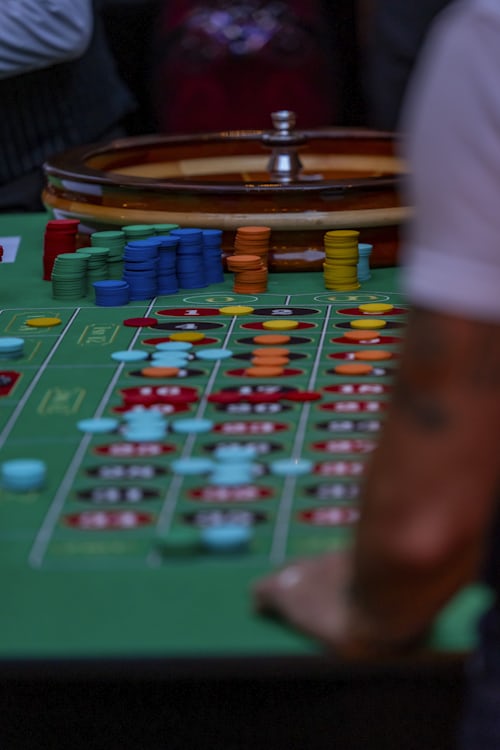
Moreover, the environment of a casino is deliberately designed to stimulate the senses. Bright lights, enticing sounds, and the buzz of excitement all create a unique atmosphere that draws people in. This sensory overload can lead to a state of flow, allowing gamblers to immerse themselves fully in the experience and temporarily forget about the stresses of daily life.
The role of reward systems in gambling behavior
Psychologically, gambling activates the brain’s reward systems, particularly when players experience wins or near-wins. This release of dopamine, a neurotransmitter associated with pleasure, reinforces the behavior and encourages continued participation. The idea of winning stimulates hope, which can become a powerful motivator for many individuals. Understanding this aspect is crucial for those engaged in gambling activities.
Furthermore, near-misses can be even more compelling than outright wins, as they create a sense of optimism and the belief that victory is just around the corner. This phenomenon helps explain why players might keep returning to the table or machine, despite the reality that the odds are often against them. Understanding this can shed light on the deep psychological engagement that gambling has over individuals.
Cognitive biases and misconceptions in gambling
Many gamblers fall prey to cognitive biases that skew their understanding of odds and probabilities. The gambler’s fallacy, for instance, leads individuals to believe that past outcomes influence future results, causing them to think they are “due” for a win. This misconception can drive people to gamble more, as they overestimate their chances of winning.
Additionally, the illusion of control can encourage risky betting behavior. Gamblers often think they can influence outcomes through skill or strategy, which can lead to further engagement with games that are largely based on luck. These cognitive distortions highlight the complex interplay between psychology and gambling, revealing how easily one’s judgment can be clouded in the heat of the moment.
The social aspects of gambling
Gambling is often more than just an individual pursuit; it serves as a social activity that fosters connections among players. Many individuals enjoy the camaraderie that comes from sharing the experience with friends or meeting new people at the tables. This social element can enhance enjoyment and can lead to a more profound commitment to the activity.
In some cultures, gambling holds significant social value, often linked to celebrations or communal events. This cultural attachment can reinforce the behavior on both a social and psychological level, making it difficult for individuals to resist participating. The integration of gambling into social settings showcases how peer influence can perpetuate the cycle of gambling behavior.

Stay informed with our expert insights
Our website serves as a valuable resource for those interested in the multifaceted world of gambling, providing insights into its psychological underpinnings. We aim to educate our readers about the intricacies of gambling behaviors, helping to foster a greater understanding of why individuals are drawn to these games of chance.
Whether you are a casual player or someone seeking to delve deeper into gambling psychology, our expert articles and engaging content are tailored to enhance your knowledge and experience. Join us as we explore the fascinating realm of gambling and its profound impacts on human behavior.